
The Top Bootlegged T-Shirt of the 1970s: A Cultural Icon in Cotton
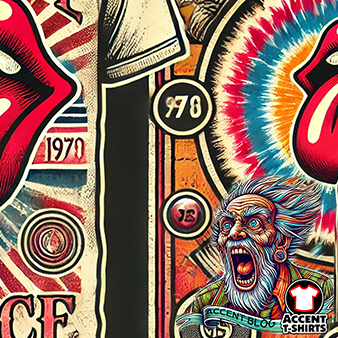
The 1970s were a transformative decade for music, art, and culture—and a time when the humble t-shirt became a powerful canvas for self-expression. Among the many iconic designs that emerged, one stands out as the most heavily bootlegged of the era: the classic Rolling Stones “Tongue and Lips” logo t-shirt.
This blog dives into why this particular t-shirt became the king of bootlegs, its cultural significance, and how it shaped the t-shirt industry as we know it today.
The Birth of an Icon: The Rolling Stones Logo
Designed in 1970 by John Pasche, the “Tongue and Lips” logo was inspired by the sensuality of Mick Jagger’s lips and the rebellious attitude of the band. It debuted as part of the Rolling Stones’ branding for their album Sticky Fingers and quickly became synonymous with rock ‘n’ roll defiance.
This bold design was perfect for t-shirts, turning fans into walking advertisements for the Stones. Its visual simplicity and provocative vibe made it irresistible for bootleggers.
Why Was It So Popular with Bootleggers?
Several factors contributed to the “Tongue and Lips” t-shirt being the most bootlegged design of the 1970s:
1. Universality and Appeal
The Rolling Stones transcended music to become cultural icons, and their logo symbolized rebellion, freedom, and coolness. Fans who couldn’t afford official merchandise turned to bootlegs to wear their allegiance proudly.
2. Ease of Reproduction
The bold red tongue and lips, combined with clean black lines, made the design relatively easy to reproduce on silk screens. Bootleggers could quickly churn out replicas without needing advanced techniques.
3. Limited Availability
In the early 1970s, official merchandise was harder to come by, especially for fans in remote areas or outside the U.S. and U.K. Bootleg t-shirts filled the gap, making the design accessible to a global audience.
4. High Demand at Concerts
Rolling Stones concerts were a goldmine for bootleggers. Outside venues, unofficial vendors would sell counterfeit t-shirts at a fraction of the price, knowing fans wanted a wearable memory of the experience.
The Cultural Impact of Bootlegged T-Shirts
1. Democratizing Rock Merch
While record companies and bands initially saw bootlegging as a threat, it also played a role in popularizing rock culture. Bootlegged t-shirts gave fans who couldn’t afford official gear a chance to participate in the movement.
2. Inspiring DIY Fashion
The proliferation of bootleg t-shirts encouraged a do-it-yourself approach to fashion. Fans began customizing their shirts, adding their own touches with fabric paints, patches, and tie-dye techniques.
3. Challenging Copyright Laws
The sheer volume of Rolling Stones bootlegs pushed copyright issues into the spotlight. Bands and their management began to take intellectual property more seriously, leading to tighter controls on merchandise and the eventual rise of licensed apparel.
Other Contenders for Bootlegged Fame
While the Rolling Stones t-shirt reigned supreme, other designs also became favorites for bootleggers during the 1970s:
- Led Zeppelin Symbols: Designs featuring the band’s four iconic symbols gained traction with fans and bootleggers alike.
- Pink Floyd’s Dark Side of the Moon: The prism logo became a staple for bootleggers in the latter half of the decade.
- Che Guevara Portraits: Though not music-related, the Che t-shirt was a countercultural staple and one of the most bootlegged designs worldwide.
Legacy of the Bootlegged Rolling Stones T-Shirt
The rampant bootlegging of the Rolling Stones’ “Tongue and Lips” logo cemented its place in history as not just a piece of rock merch but a symbol of an era. Today, the logo is one of the most recognized in the world, and officially licensed versions continue to sell millions of units annually.
For t-shirt enthusiasts, this story is a testament to the enduring power of simple, impactful design. The bootlegged Rolling Stones t-shirt wasn’t just about fashion—it was about identity, rebellion, and belonging to something bigger than yourself.
Written by Lindy Williams
Founder of Accent Promotions and Media. Screen Printing Enthusiast and History Buff.